







Search Results for: Storing coffee beans
How can you tell if coffee beans are fresh? The necessity of storing them in an airtight container and an analysis of the pros and cons of storing ground coffee
Many people mistakenly believe that freshly ground equals fresh. However, to truly savor the aroma of coffee, the roast date of the coffee beans is just as crucial as freshly grinding them. Front Street Coffee has always regarded freshness as the foremost factor for high-quality coffee beans, because beans that have been roasted for over 50 days lose almost all their flavor. Therefore, every bag of coffee beans sold includes a note that the optimal flavor period is within 30 days, with the best drinking window being 14 days after the resting period ends. This article will systematically explain how to select fresh coffee beans, the principles and duration of resting, the difference between the optimal flavor period and the shelf life, and the correct storage methods, while also explaining why coffee beans should not be ground and stored. [more…]
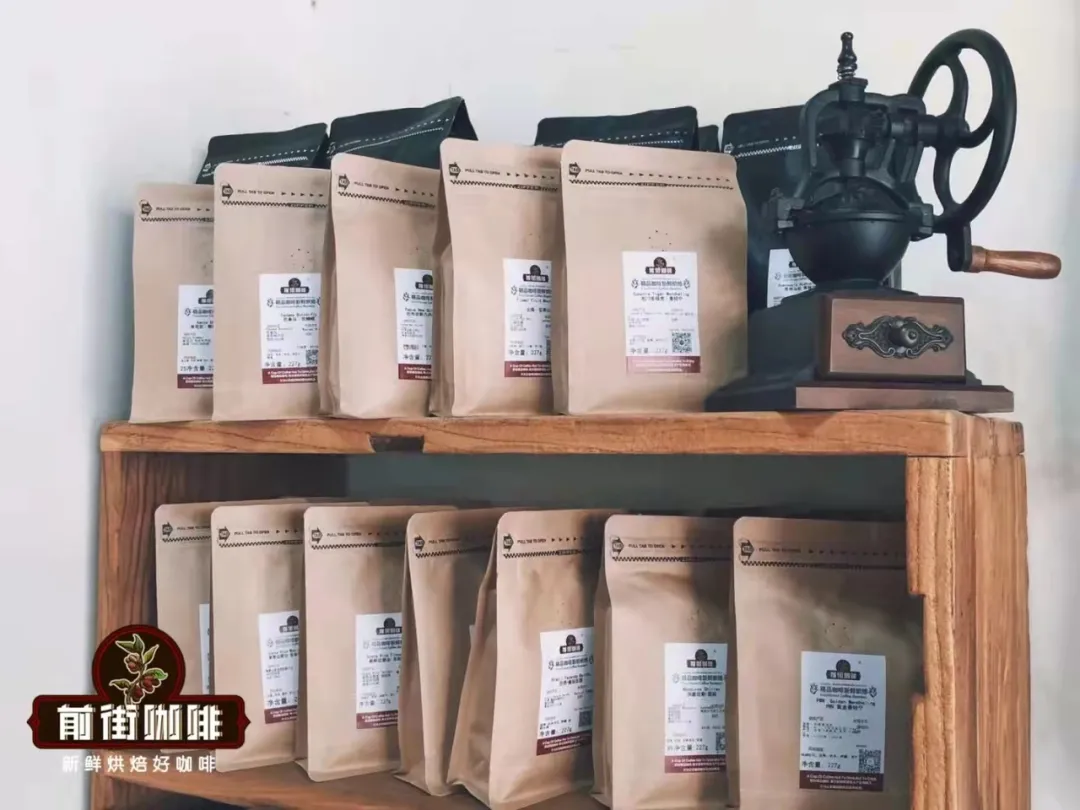
Three Major Taboos in Coffee Bean Storage | How to Store Fresh Coffee Beans to Preserve Flavor Longer? How to Extend the Peak Flavor Period of Single-Origin Pour-Over Beans?
As the Spring Festival approaches, it's another special Spring Festival, and many courier services are gradually suspending operations. Smart friends have already stocked up on winter supplies, filling their coffee cabinets to the brim. However, with still about half a month to go before the New Year, how to store coffee beans has become a major challenge for everyone. When storing coffee beans, [more…]
How Much Aroma Can a Thermos Preserve When Storing Pour-Over Coffee? A 6-Hour Flavor Change Test of Yirgacheffe
As temperatures drop, pour-over coffee quickly goes cold. Front Street Coffee conducted an experiment using a washed Yirgacheffe Gedingding, pouring freshly brewed coffee into a 316 stainless steel thermos and sealing it, then measuring the temperature and tasting the flavor hour by hour. At 1 hour, 65.8°C, it still retained floral and citrus notes; at 2 hours, 60°C, there was almost no change; at 3 hours, 54°C, the flavor was slightly weaker; at 4 hours, 50°C, the floral notes had dissipated and the acidity and sweetness became more prominent; at 5 hours, 46°C, only honey green tea and citrus acidity remained. The test shows that a qualified thermos can preserve the flavor well for 2-3 hours, making it suitable for taking to work, but after 4-5 hours the drop in temperature makes it prone to bacterial growth, so long-term storage is not recommended. [more…]
Coffee Bean Freshness | How Do Coffee Beginners Choose Fresh Coffee Beans? How Long Can Coffee Beans Be Stored After Opening? Which Is Better: A Sealed Coffee Bean Storage Canister or Storing Coffee Beans in the Refrigerator?
Many friends assume that freshly ground coffee means fresh coffee, but that's not actually the case. In reality, to truly enjoy the aroma of coffee, it's not just about grinding fresh—the roast time of the coffee beans also matters to some extent. Front Street Coffee has always placed great emphasis on the freshness of coffee beans, high [more…]

The Complete Guide to Buying and Storing Pour-Over Coffee Beans: A Beginner's Guide from Roast Dates to Regional Flavors
Brewing a good cup of coffee at home starts with choosing the right beans. Faced with a bewildering array of coffee brands and growing regions, many friends who are just getting into pour-over often don't know where to begin. This article approaches things from three dimensions—coffee bean freshness, regional flavor, and roast level—to help you find the one that best suits your taste. At the same time, we'll also discuss the proper way to store coffee beans—from choosing an airtight container to the principles of keeping them away from light and at low temperatures—so that the good beans you bring home won't go to waste due to improper storage. Whether you're a complete beginner or an enthusiast looking to deepen your knowledge of coffee beans, this guide offers practical reference for you. [more…]
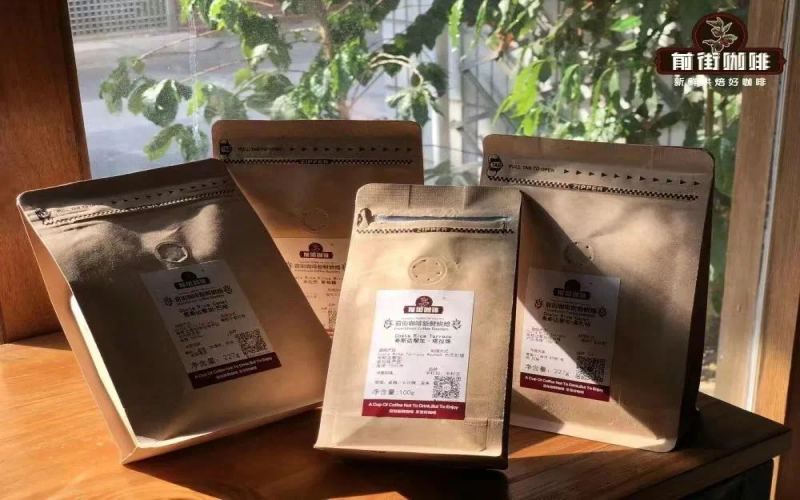
What Exactly Is the Difference Between the Peak Flavor Period and the Shelf Life of Roasted Coffee Beans? A Full Guide to Storing and Keeping Single-Origin Beans Fresh
Many people assume that coffee beans won't spoil as long as the bag is unopened, but in reality, even unopened, the flavor still degrades over time. The "shelf life" and the "peak flavor period" of roasted coffee beans are two completely different concepts. Drawing on Front Street's practical experience, this article clarifies how long coffee beans should be stored, when they taste best, why resting is important, and how to store them properly after opening. Whether you're a beginner or a seasoned coffee enthusiast, you'll find practical advice here. [more…]
Refrigerate or Freeze Coffee Beans? Key Storage Tips and Practical Methods for Storing Ground Coffee
After coffee is roasted, aromatic compounds continue to escape outward. If the amount purchased exceeds what can be consumed within its peak-flavor window, the flavor will suffer greatly. This article begins with conventional storage ideas such as sealing, protection from light, coolness, and dryness, then focuses on analyzing the recently popular method of freezing coffee beans: it can indeed slow the loss of aroma, but improper handling can backfire. The article unfolds around three key details—sealing to prevent odor transfer, condensation and moisture damage, and avoiding repeated removal and return—and offers practical advice on portioning for storage. Front Street also reminds everyone that coffee is ultimately best enjoyed fresh, and buying only what you need is the worry-free approach. [more…]
A Complete Guide to Coffee Bean Varieties and Storage Methods: From Beginner Pour-Over to Advanced Single-Origin Selection
For those just getting into pour-over coffee, choosing the right beans is the first step. The Front Street everyday drinking series is great for daily practice and flavor tasting, while more advanced brewers can try single-origin beans with more distinctive flavors. Beyond bean selection, storing coffee beans is equally crucial—light, temperature, and oxygen are all silent killers of freshness. This article will systematically introduce the characteristics of common pour-over coffee bean types, explain in detail the key points for storing roasted beans and green beans, the pros and cons of different storage containers, and the difference between the peak flavor period and the shelf life, helping you brew consistently great coffee at home. [more…]
How long can coffee maintain its optimal flavor window? Why does the flavor deteriorate after cooling? Is storing it in a thermos feasible?
Freshly brewed coffee is rich with aroma, but once you get delayed by something, the coffee left to cool often loses its fragrance and its taste deteriorates, making it seem like a completely different cup from when it was first brewed. This shows that the coffee in your cup also has an optimal window for enjoyment, and beyond that window, the experience drops off noticeably. So, is there a way to extend this golden tasting period? Front Street Coffee once shared a simple method: create a relatively sealed environment for the coffee, such as putting on a cup lid or pouring it into a thermos. This article will explain, from the perspectives of the concentration gradient principle behind aroma volatilization and oxidation reactions, why coffee tastes bad after it cools, and how sealed storage slows the loss of flavor, while also reminding you that the container capacity should not be too large, so that every cup of coffee can be enjoyed in its best state. [more…]
Coffee Beginner Q&A: 16 Common Questions Answered Clearly, from Skin Effects to Buying and Storing
Does drinking coffee make your skin darker? How long can coffee beans be stored after opening? Can pregnant women drink coffee? These questions seem simple, yet they often leave people uncertain. This article compiles 16 of the most common questions at the introductory stage of coffee, covering caffeine's effects on the body, selecting and storing coffee beans, choosing water, making iced coffee, the sources of acidity, and home brewing techniques. Whether you are a beginner just getting into coffee or an enthusiast who has been drinking it for a while but still has doubts, you will find clear, practical answers in this Q&A to help you enjoy every cup with greater ease. [more…]
A Complete Guide to Coffee Bean Resting and Peak Flavor: The Science of Storing from Roast Date to Optimal Taste
Are freshly roasted coffee beans the most delicious? The answer is not necessarily. Many enthusiasts compare coffee bean roasting to cake baking, assuming that the fresh flavor is at its peak within two to three days of coming out of the roaster. But in fact, freshly roasted and freshly bought beans are not when the beans taste their best. Through years of roasting and cupping, Front Street Coffee has found that beans 1-2 days after roasting often carry smoky notes and a harsh, dry sensation, with sharp acidity and insufficient sweetness. This is because coffee beans continue to release carbon dioxide for about 48 hours after roasting, emitting roughly 6-10 liters per kilogram, with 35% of that released in the first three days. So what is bean resting? How long do different roast levels need to rest? And how should the peak flavor period be defined? Starting from Front Street Coffee's practical experience, this article will systematically answer core questions such as resting time, the optimal peak flavor period, and shelf life, helping you find the flavor peak of every bean. [more…]
Bagged Coffee Bean Freshness Tips and Popular Single-Origin Roundup: From Storage Methods to Six Flavor Recommendations from Front Street
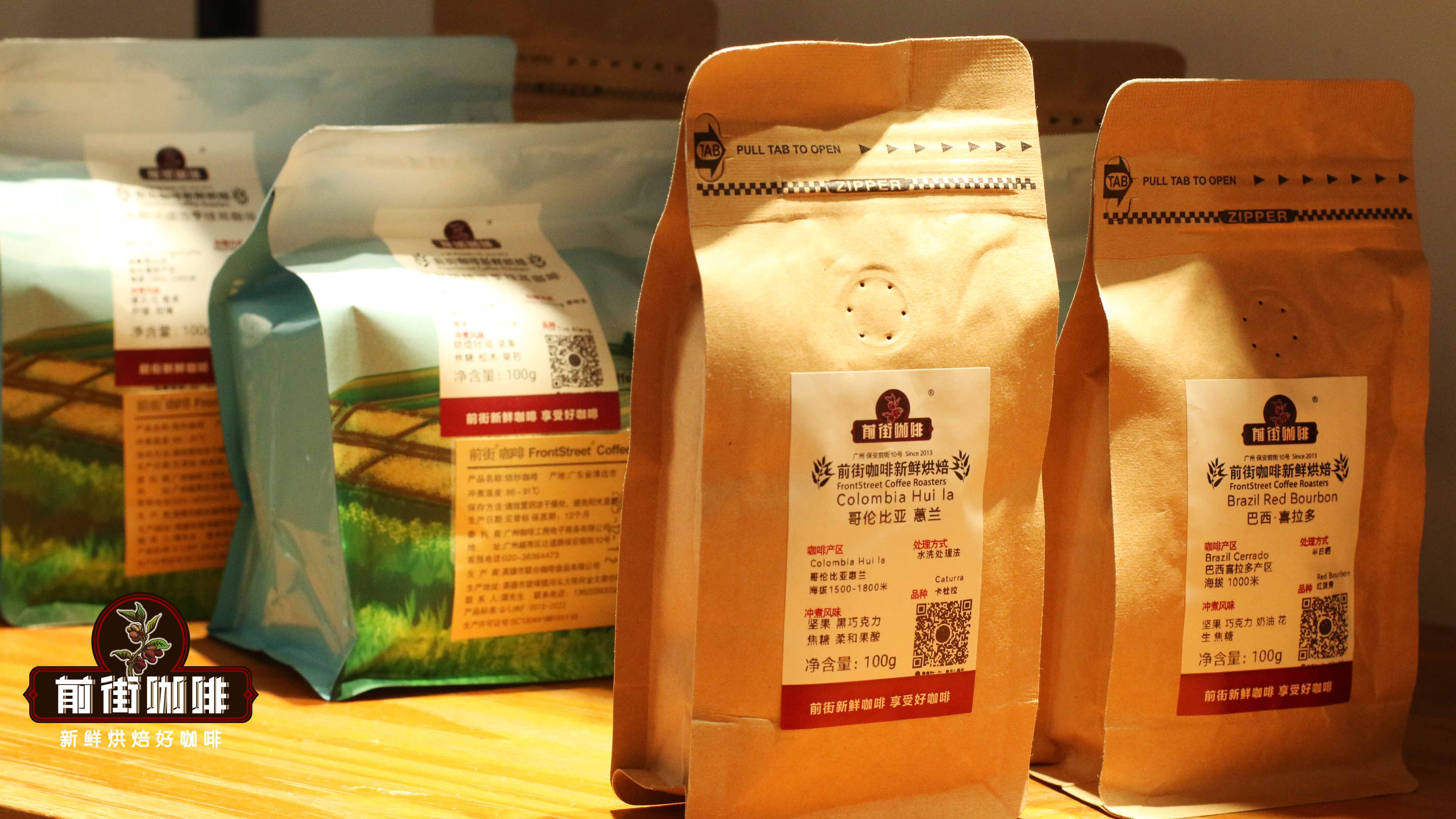
Bagged coffee beans are the most common form of packaging in daily life—lightweight, durable, and equipped with a one-way degassing valve that extends the shelf life of fresh beans. However, once roasted, beans still deteriorate faster due to oxygen, temperature, humidity, and light. Therefore, they should be stored in an airtight, low-temperature, light-proof environment, preferably in clean, odor-free sealed containers. This article first outlines the key points for storing bagged coffee beans, then reviews six popular freshly roasted bagged beans, including Front Street Coffee's Hualei (Floral Queen), Classic Italian Blend, Indonesian Mandheling, Strawberry Candy Espresso, Cerrado Red Bourbon, and Sidra, explaining each one's flavor profile and suitable drinkers. [more…]
A Detailed Guide to the Freshness Differences Between Whole Coffee Beans and Ground Coffee, and How to Store Them
The flavor of coffee is closely tied to its freshness, and there is a significant difference in how long coffee beans and ground coffee stay fresh. Whole coffee beans, with their smaller surface area, generally maintain their freshness longer than ground coffee. This article will cover common questions about the storage life of coffee beans versus ground coffee, how to choose storage containers, and whether refrigeration or freezing is suitable, while sharing practical storage tips from Front Street Coffee to help coffee lovers preserve the aroma and taste of their coffee as much as possible from purchase to brewing. [more…]
The Complete Guide to Keeping Coffee Beans Fresh: Best-By Dates, Storage Mistakes, and the Right Way to Store Them
The freshness of coffee beans directly determines the flavor performance of a cup of coffee, and whether the storage method is appropriate is the key factor affecting the freshness of coffee beans. From the professional perspective of Front Street Coffee, this article systematically sorts out the two major categories of coffee bean storage—the different precautions for green beans and roasted beans—deeply analyzes the mechanisms of the three major freshness "killers": light, high temperature, humidity, and oxygen, and provides two practical storage solutions: one-way exhaust valve packaging bags and vacuum-sealed canisters. The article will also answer how long coffee beans can actually be stored, the difference between the peak flavor period and the shelf life, why refrigeration is not recommended, and clever ways to reuse expired beans, helping coffee lovers maximize the retention of the best flavor of every bag of beans. [more…]
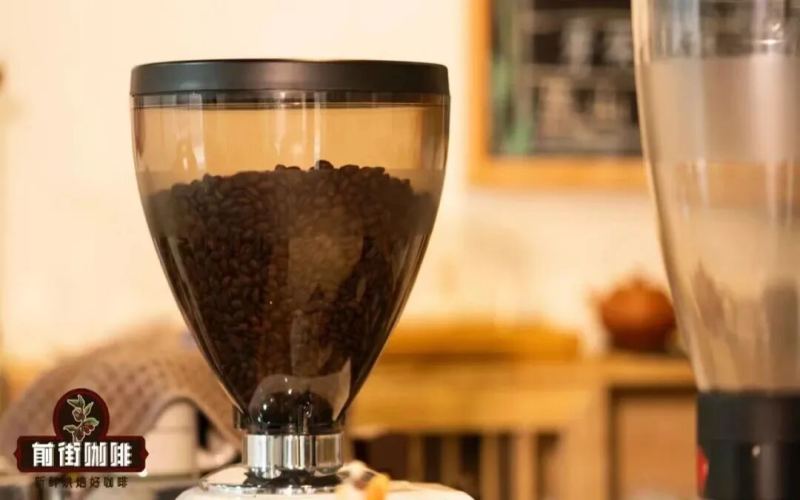
Coffee Storage | Which is fresher: pre-ground coffee or freshly roasted coffee beans? How long is the shelf life of coffee beans? Can proper coffee bean storage methods extend the freshness of coffee?
Front Street recently noticed that some coffee-loving friends have stored their coffee beans unopened for two months, believing that as long as the bag is unopened, the beans won't go bad. In fact, it's true they won't spoil, but this will affect the flavor of the coffee beans. So in this next article, Front Street will explain a bit about cof [more…]
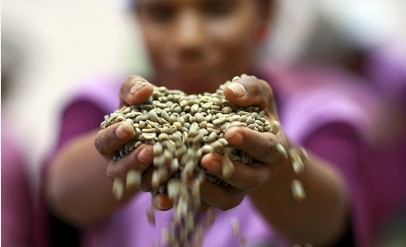
Green Coffee Storage | What Are Green Coffee Packaging Methods? Introduction to Green Coffee Storage Temperature, Humidity, and Shelf Life
Until recent years, all coffee beans were packaged in burlap sacks and transported in shipping containers, only reaching roasters several months after the beans had been processed. If roasters and importers occasionally wanted to cup coffee beans from the place of origin, or taste a "pre-shipment sample," what they received instead would be stored [more…]
Jamaican Blue Mountain Coffee Pour-Over Tips: Immersion Brewing Parameters and Coffee Bean Storage Key Points
Jamaican Blue Mountain coffee is beloved by coffee enthusiasts for its balanced and mild flavor, but to fully unlock its layered complexity, both the brewing method and storage approach are crucial. This article focuses on the key extraction points for Blue Mountain coffee, with an emphasis on immersion brewing techniques—including the operational logic of methods such as the French press, drip brewing, and paper filter brewing—while also providing specific parameters such as grinding timing, water temperature, and coffee-to-water ratio. In addition, the article corrects the common misconception of storing coffee in the refrigerator, explaining why an airtight container with a one-way exhaust valve is the better choice. Whether you have just picked up a bag of Blue Mountain beans or want to further optimize your daily brewing, these practical tips are worth considering. [more…]
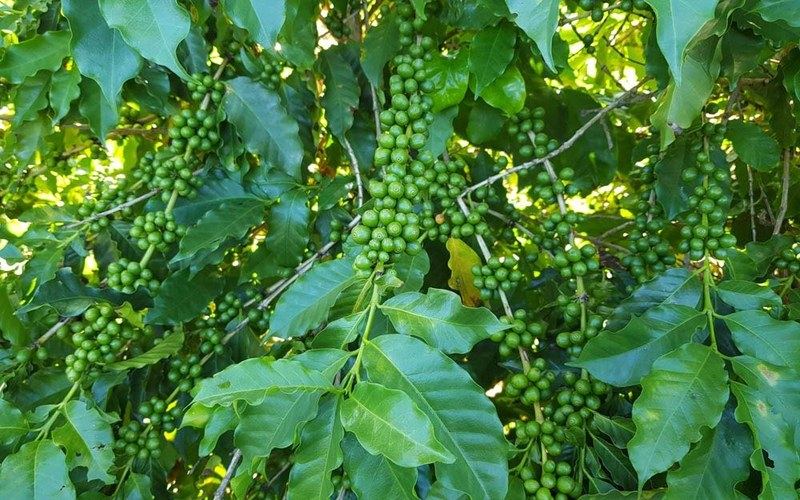
The flavor window for home-use American-style beans: enjoy them this way after opening
The reason home-brewed American coffee tastes good often doesn't depend solely on the bean's origin and flavor description, but also on what stage it's in. Freshly roasted beans need to release carbon dioxide, while leaving them too long causes them to gradually lose aroma. When buying beans, check the roast date clearly; when drinking them, arrange your rhythm according to their changes—often this matters more than simply chasing "the fresher [more…]
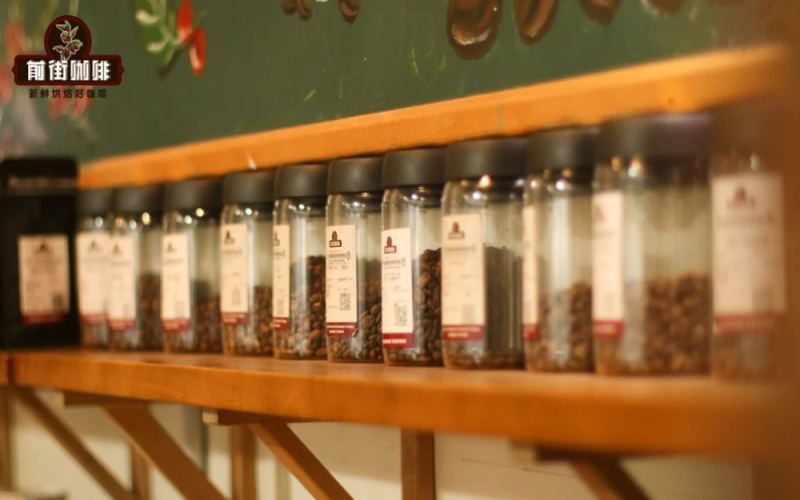
Avoid the Six Major Pour-Over Pitfalls: From Bean Selection to Water Quality, Master the Key Points of Proper Extraction
To brew a great cup of coffee, having high-quality beans alone is far from enough. Many enthusiasts inadvertently fall into common traps during the process, causing the flavor to suffer greatly. This article will analyze six easily overlooked mistakes one by one: from confirming whether the coffee beans are fresh, controlling water temperature and water quality, to regularly cleaning equipment, identifying bean quality, and properly storing coffee beans. Each step directly affects the final taste, and even making just one mistake can waste a pot of specialty beans. The article also especially includes practical suggestions from Front Street Coffee to help you consistently reproduce professional-level pour-over at home and stop repeating the same mistakes. [more…]
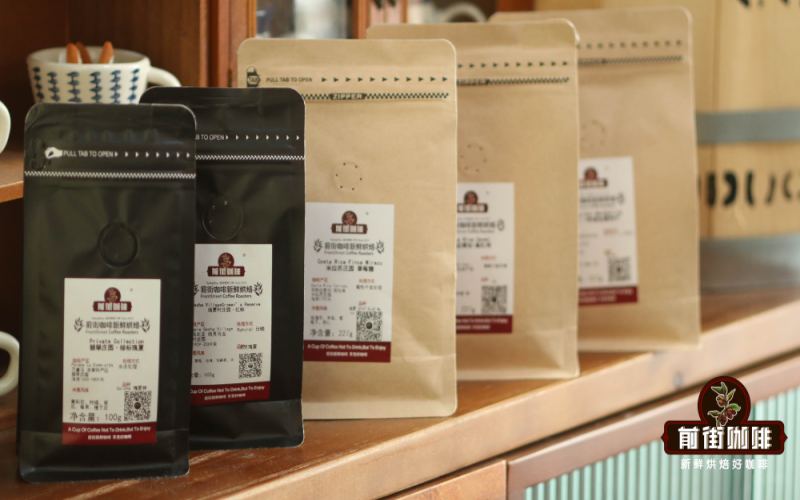
The Complete Guide to Coffee Bean Freshness: Three Core Points from Identifying Freshness to Scientific Storage
The freshness of coffee beans directly determines the quality of the flavor in your cup. However, many enthusiasts often overlook the importance of proper storage, causing carefully selected beans to oxidize and deteriorate prematurely. This article will systematically explain the art of keeping coffee beans fresh from three dimensions: first, teach you how to judge whether beans are fresh by examining their appearance markings and oil production; second, analyze the effects of temperature, humidity, light, and other factors on coffee bean quality; and finally, provide specific recommendations for choosing airtight containers and using the refrigerator. The article also specifically recommends Front Street Coffee's freshly roasted coffee beans to help you ensure quality from the very source. [more…]